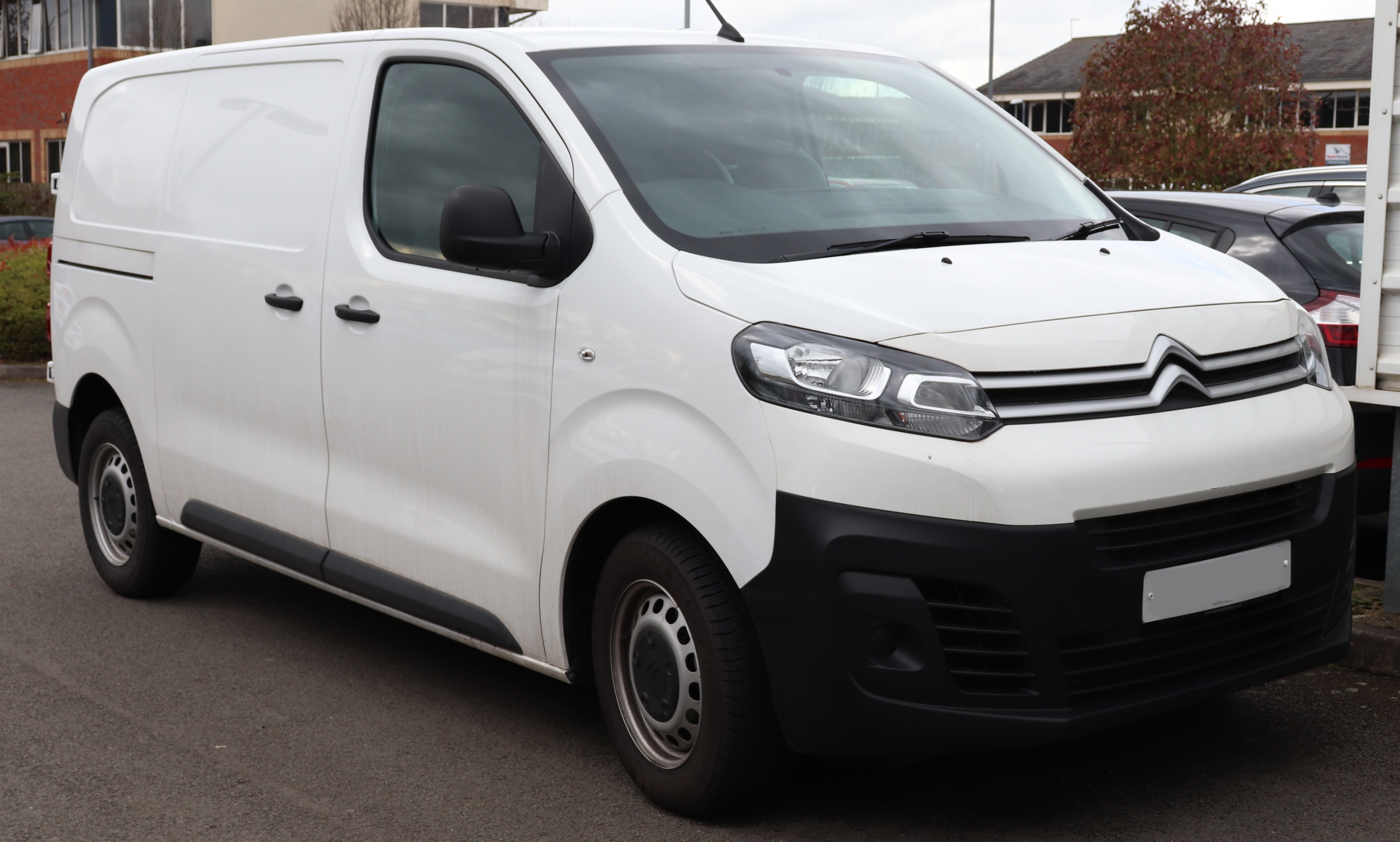
EAT8
The Dispatch EAT8 is a torque-converter automatic. Hydraulic pressure, valve-body solenoids, converter lock-up and internal clutch application all matter when a working van develops poor shifts.
SPEAK TO A TECHNICIAN NOW 01580 239 610 8am - 5.30pm Mon-Fri
The modern Citroën Dispatch is a strong commercial automatic-repair target because BlueHDi automatic versions use the EAT8 eight-speed transmission. Current UK specifications continue to offer diesel automatic models, making load, operating temperature and fleet usage key parts of diagnosis.
If your Dispatch delays into Drive, slips when carrying weight, changes harshly after a long run, locks into limited gears or displays a transmission warning, we test the EAT8 under conditions that reflect how the van is actually used.
Third-generation Dispatch diesel automatics use EAT8 on relevant BlueHDi powertrains, including historic 120/180 applications and later 145/150/180 automatic specifications. ë-Dispatch uses a single-speed electric drive.
| Dispatch version | Typical automatic transmission | Key diagnostic areas | What people commonly search |
|---|---|---|---|
| Earlier third-generation high-output diesel | EAT8 on relevant BlueHDi 120/180 versions | Pressure, valve body, converter and internal clutch operation | Dispatch EAT8 problems, harsh shift, gearbox warning |
| BlueHDi 145 automatic | EAT8 8-speed automatic | Load, pressure, solenoids, ratio and temperature | Citroen Dispatch automatic gearbox fault, slipping loaded |
| Current diesel automatic | EAT8 on relevant 150/180hp specifications | Commercial heat/load, valve body and internal condition | new Dispatch EAT8 problem, delayed Drive when hot |
| ë-Dispatch | Single-speed electric reduction drive | Electric motor / reduction drive rather than EAT8 | e-Dispatch drive unit noise, electric drivetrain fault |
The Dispatch EAT8 is a torque-converter automatic. Hydraulic pressure, valve-body solenoids, converter lock-up and internal clutch application all matter when a working van develops poor shifts.
Repeated stops, motorway mileage and payload can expose pressure loss or internal wear after the transmission reaches full operating temperature.
Slipping or flare may be more obvious when loaded, towing or accelerating uphill, so workload should be reproduced where safe and practical.
Electric versions have no conventional gear changes and need motor/reduction-drive diagnosis rather than EAT8 repair.
Dispatch owners and fleets search for “automatic gearbox slipping under load”, “EAT8 harsh when hot”, “delay selecting Drive” and “gearbox fault van”. These are exactly the cases where real duty-cycle diagnosis matters.
A pause before engagement can involve hydraulic pressure build-up, valve-body response or internal clutch filling.
Revs rising more than road speed when the van is loaded can indicate internal clutch slip or pressure loss.
A transmission that behaves normally cold but bangs after a route may have a temperature-sensitive hydraulic or internal fault.
The EAT8 may restrict ratios when the control system sees pressure, ratio, speed or temperature conditions outside tolerance.
A vibration under light throttle can involve converter lock-up or hydraulic control, but drivetrain and wheel-end faults should be ruled out.
Driveshafts, mounts and final-drive components can imitate internal gearbox trouble on a commercial van.
Tell us the Dispatch engine output, normal payload, whether it tows and whether the fault appears empty, loaded or only after an hour on the road. That context is central to commercial transmission diagnosis.
| What you notice | How drivers describe it | Possible areas to investigate |
|---|---|---|
| Delay into Drive | “It takes a few seconds before the van moves.” | EAT8 pressure, valve body, internal clutch fill |
| Slip under load | “The revs rise more when I have weight onboard.” | Internal clutch slip, pressure loss, transmission wear |
| Harsh when hot | “It bangs through gears after a long route.” | Temperature-related pressure, solenoid or internal issue |
| Cruise shudder | “It vibrates gently under light throttle.” | Converter lock-up, hydraulic control, driveline |
| Limp mode | “The warning comes on and it holds limited gears.” | Stored DTC, ratio/pressure fault, protection strategy |
Dispatch fault codes should be interpreted with EAT8 live pressure, ratio, slip and temperature values plus the van's duty cycle. Fleet faults that only appear under payload can be missed by a static scan.
| Fault / code family | Broad area | What should be checked |
|---|---|---|
| P0700 / transmission warning | General EAT8 control | Underlying Citroën DTCs and freeze-frame information |
| Pressure / solenoid faults | EAT8 valve body | Line pressure, pressure-control solenoids and internal leakage |
| Ratio / slip faults | Internal automatic transmission | Commanded ratio, actual ratio, clutch slip and converter state |
| Temperature / protection faults | Commercial operating load | Fluid temperature, repeated slip and control strategy |
| Driveline-related faults | Van running gear | Driveshafts, mounts, final drive and wheel-end components |
For this Dispatch, the stored code should be interpreted with the exact transmission, freeze-frame information and live drivetrain values before a complete gearbox replacement is considered.
Dispatch EAT8 repair pricing depends on whether the van needs a targeted hydraulic/valve-body repair or has been driven long enough with slip to damage internal clutches.
| Citroën Dispatch gearbox work | Typical guide range | What can change the price? |
|---|---|---|
| Diagnostic scan, road test and initial assessment | From £30 | Load testing, fault reproduction and EAT8 data |
| EAT8 valve-body / hydraulic repair | Approx. £950 - £1,950+ | Pressure fault, solenoids and internal condition |
| Torque-converter / targeted automatic repair | Approx. £1k - £2k+ | Converter and transmission condition |
| Full EAT8 repair / reconditioning | Approx. £2.4k - £4.8k+ | Commercial wear and internal damage |
| Electric drive-unit fault | Diagnosis required | ë-Dispatch follows a different drivetrain route |
Confirm Dispatch generation, engine output, EAT8 specification, conversion and normal working load.
Read transmission pressure, ratio, converter slip, temperature and stored protection data.
Road-test the van under realistic workload and temperature where practical and safe.
Quote the valve-body, converter, internal or related driveline repair demonstrated by the findings.
Tell us your Dispatch year, engine, normal payload and whether it delays, slips, shifts harshly when hot or enters gearbox protection mode.
Citroën Dispatch EAT8 gearbox diagnosis is available across the South East for panel vans, crew vans and other commercial configurations.
The page is built around commercial-search intent, including payload, downtime, hot-running faults, repair cost and whether continued use is likely to increase transmission damage.
More Citroën gearbox guides:
For wider Citroën transmission information, visit our Citroën gearbox repair page for the South East.
Relevant third-generation and current BlueHDi automatic Dispatch models use Citroën's EAT8 eight-speed torque-converter automatic.
Payload increases torque demand, making hydraulic pressure loss or internal clutch slip more noticeable.
Temperature can expose valve-body, solenoid, pressure or internal wear that may not appear during a short cold road test.
Hydraulic pressure build-up, valve-body response and internal clutch filling are among the main areas to investigate.
Yes. Valve-body, solenoid, converter and internal gearbox repairs or reconditioning may be possible depending on the fault.
If the van is slipping, losing drive, overheating or holding limited gears, continuing commercial use can increase damage. Arrange diagnosis or recovery.
For a Dispatch automatic fault, confirm the EAT8 specification and reproduce the problem under the payload and temperature conditions that occur during real work.