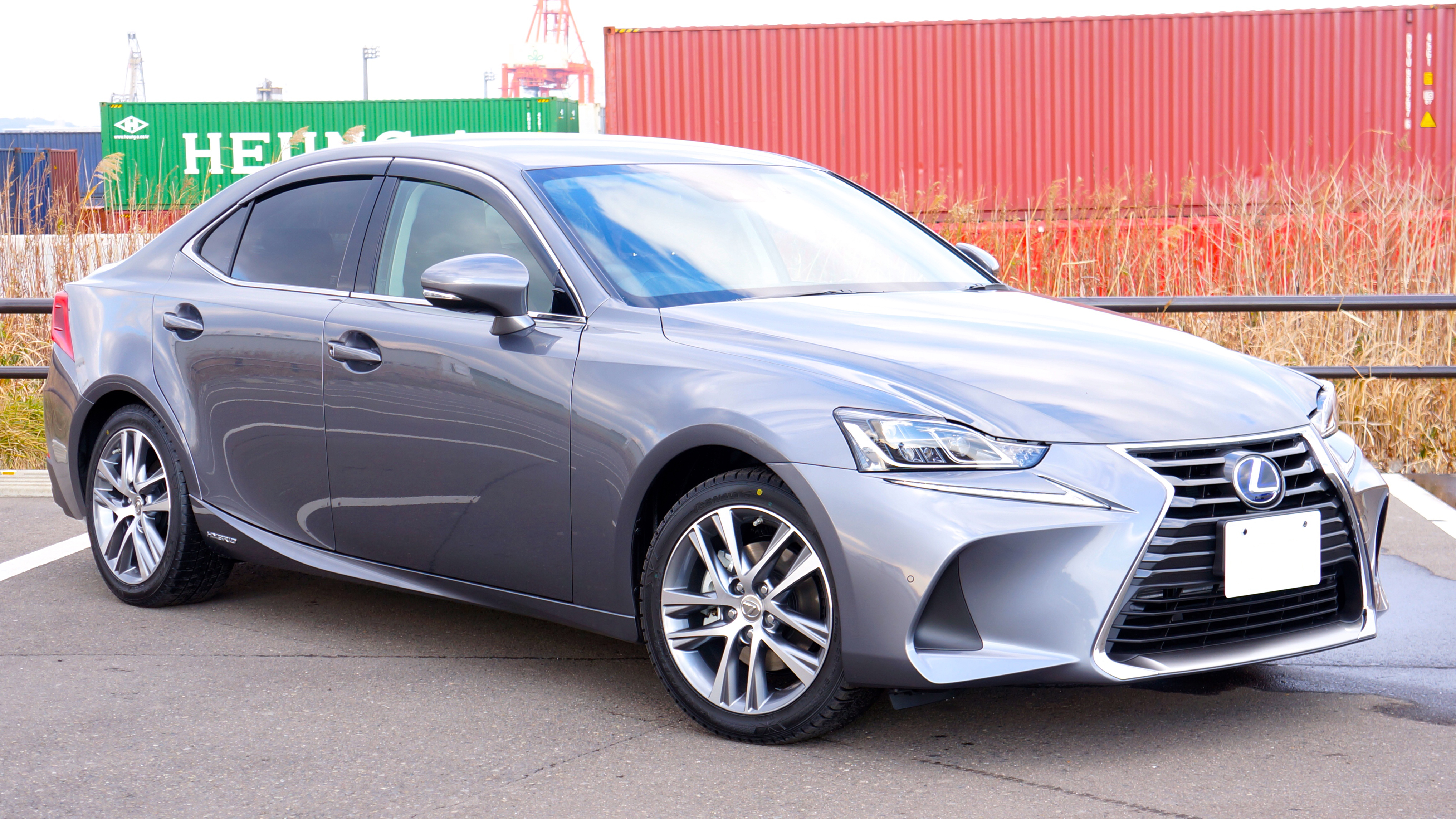
IS 250 6AT
The IS 250 uses a stepped torque-converter automatic. Delayed engagement and harsh shifts should be assessed through hydraulic and converter data.
SPEAK TO A TECHNICIAN NOW 01580 239 610 8am - 5.30pm Mon-Fri
UK Lexus IS models use more than one automatic transmission family. The IS 250 uses a conventional six-speed automatic, while the IS 300h uses a hybrid e-CVT transaxle. Those systems can produce similar driver complaints but require very different tests.
If your IS delays before moving, changes gear harshly, develops converter-type shudder, whines under load or shows a hybrid/transmission warning, we identify IS 250 versus IS 300h before deciding whether the fault is hydraulic, converter-related or hybrid-transaxle based.
The UK third-generation IS range paired the 2.5-litre V6 IS 250 with a six-speed automatic and the IS 300h full hybrid with e-CVT. Earlier IS generations and imported derivatives can use other automatic specifications, so VIN identification remains important.
| IS version | Typical UK transmission | Key diagnostic areas | What owners often search |
|---|---|---|---|
| IS 250 | 6-speed conventional automatic | Hydraulic pressure, valve body, solenoids, torque converter and internal clutches | Lexus IS250 gearbox problems, delayed Drive, harsh shift |
| IS 300h | Hybrid e-CVT transaxle | Motor-generators, hybrid control, bearings, damper and reduction gearing | Lexus IS300h gearbox fault, e-CVT shudder, hybrid warning |
| Earlier IS automatic | 4-/5-/6-speed conventional auto depending on generation | Pressure, converter and internal clutch operation | Lexus IS200 automatic gearbox problem, IS gearbox slipping |
| Imported / performance derivatives | Specification varies | Confirm exact transmission and drivetrain from VIN | Lexus IS automatic transmission repair UK |
The IS 250 uses a stepped torque-converter automatic. Delayed engagement and harsh shifts should be assessed through hydraulic and converter data.
The IS 300h uses a planetary hybrid transaxle integrating motor-generators rather than conventional stepped gears.
On conventional IS automatics, pressure regulation can affect engagement speed, shift quality and ratio control.
IS driveline clunks can come from differential, propshaft or mounts and should not automatically be blamed on the gearbox.
Useful searches include “Lexus IS 250 gearbox problems”, “IS 300h e-CVT fault”, “Lexus IS delayed Drive” and “IS hybrid transmission warning”. The page separates conventional automatic and hybrid answers clearly.
On an IS 250, pressure build-up, valve-body response or internal clutch filling can create a pause before engagement.
Conventional automatic solenoid, pressure or adaptation faults can make shifts feel abrupt.
A light-throttle vibration on a conventional automatic may involve lock-up, although driveline causes need excluding.
IS 300h symptoms can involve transaxle bearings, damper, engine operation or hybrid control.
A hybrid fault may restrict propulsion even when the petrol engine still starts and runs.
Propshaft, differential and mount wear can create a knock as torque loads and unloads.
Tell us whether your IS is an IS 250 or IS 300h and whether the symptom follows gear changes, road speed, engine start/stop or throttle on/off.
| What you notice | How owners often describe it | Possible areas to investigate |
|---|---|---|
| Delay into Drive | “It pauses before the car moves.” | IS 250 pressure, valve body, internal clutch application |
| Hard shift | “It bangs between gears.” | Solenoids, hydraulic control, adaptation, mounts |
| Cruise shudder | “It vibrates at steady throttle.” | IS 250 converter lock-up or rear driveline |
| Hybrid whine | “The IS 300h makes a rising electric/gear noise.” | Transaxle bearings, reduction gears, motor-generator |
| Hybrid warning | “Check hybrid system appears and drive changes.” | Hybrid ECU, motor-generator, inverter or transaxle |
IS fault codes should be interpreted against either six-speed hydraulic automatic data or hybrid motor-generator/transaxle data. The vehicle badge determines which diagnostic logic applies.
| Fault / code family | Broad area | What should be checked |
|---|---|---|
| P0700 / transmission DTCs | Conventional IS automatic | Underlying codes, pressure, speed and ratio information |
| Pressure / solenoid faults | IS 250 valve body | Line pressure, solenoid operation and internal leakage |
| Converter / ratio faults | Conventional automatic | Lock-up slip, actual ratio and internal clutch condition |
| Hybrid drivetrain DTCs | IS 300h | Motor-generators, hybrid control and transaxle state |
| Driveline faults | RWD differential / propshaft | Mounts, differential lash and shaft condition |
On the IS, stored codes should be interpreted with the exact drivetrain, freeze-frame information and live transmission/hybrid values before a complete gearbox or transaxle replacement is considered.
IS repair cost depends first on IS 250 conventional automatic versus IS 300h hybrid transaxle. Valve-body or converter work cannot be compared directly with hybrid-transaxle repair.
| Lexus IS transmission work | Typical guide range | What can change the price? |
|---|---|---|
| Diagnostic scan and road test | From £30 | IS 250 vs IS 300h and depth of testing |
| IS 250 valve-body / solenoid repair | Approx. £900 - £1,900+ | Pressure fault and internal gearbox condition |
| IS 250 converter / targeted repair | Approx. £950 - £2,000+ | Converter and contamination level |
| Conventional automatic reconditioning | Approx. £2.3k - £4.7k+ | Internal damage and hard parts |
| IS 300h hybrid transaxle fault | Diagnosis required | Bearing, motor-generator or control involvement |
Identify the IS generation and confirm conventional automatic versus hybrid e-CVT.
Read pressure, converter/ratio data on the IS 250 or motor-generator/hybrid data on the IS 300h.
Reproduce the delay, shift, shudder, noise or hybrid warning during a controlled road test.
Quote the valve-body, converter, transaxle or driveline repair supported by the findings.
Tell us whether your IS is a 250 or 300h and whether it delays, shifts harshly, shudders, whines or displays a hybrid/transmission warning.
Lexus IS conventional automatic and hybrid-transaxle diagnosis is available throughout the South East for UK and selected imported models.
The page is structured to answer model-specific questions such as IS 250 valve-body faults and IS 300h e-CVT issues rather than combining every Lexus automatic into one generic result.
More Lexus gearbox guides:
For wider Lexus gearbox and hybrid drivetrain information, visit our Lexus gearbox repair page for the South East.
The UK IS 250 uses a conventional six-speed automatic, while the IS 300h uses a hybrid e-CVT transaxle.
No. The IS 300h uses a planetary hybrid transaxle with motor-generators rather than a belt-and-pulley CVT.
Hydraulic pressure build-up, valve-body response and internal clutch filling are common areas to investigate on the six-speed automatic.
On an IS 250, torque-converter lock-up or rear-driveline components may be involved. On an IS 300h, hybrid damper, transaxle or engine-operation issues require different checks.
Yes. Conventional automatic valve-body, solenoid, converter and internal repairs may be possible, while IS 300h hybrid faults require transaxle-specific diagnosis.
Cost varies significantly between an IS 250 hydraulic repair and an IS 300h hybrid transaxle issue, so the model and fault need to be confirmed first.
For a Lexus IS gearbox fault, separate the conventional IS 250 automatic from the IS 300h hybrid transaxle before interpreting the symptom or repair cost.