Conventional automatic
Where fitted, older hydraulic automatics are diagnosed through fluid condition, valve-body performance, torque-converter operation and internal clutch wear.
SPEAK TO A TECHNICIAN NOW 01580 239 610 8am - 5.30pm Mon-Fri
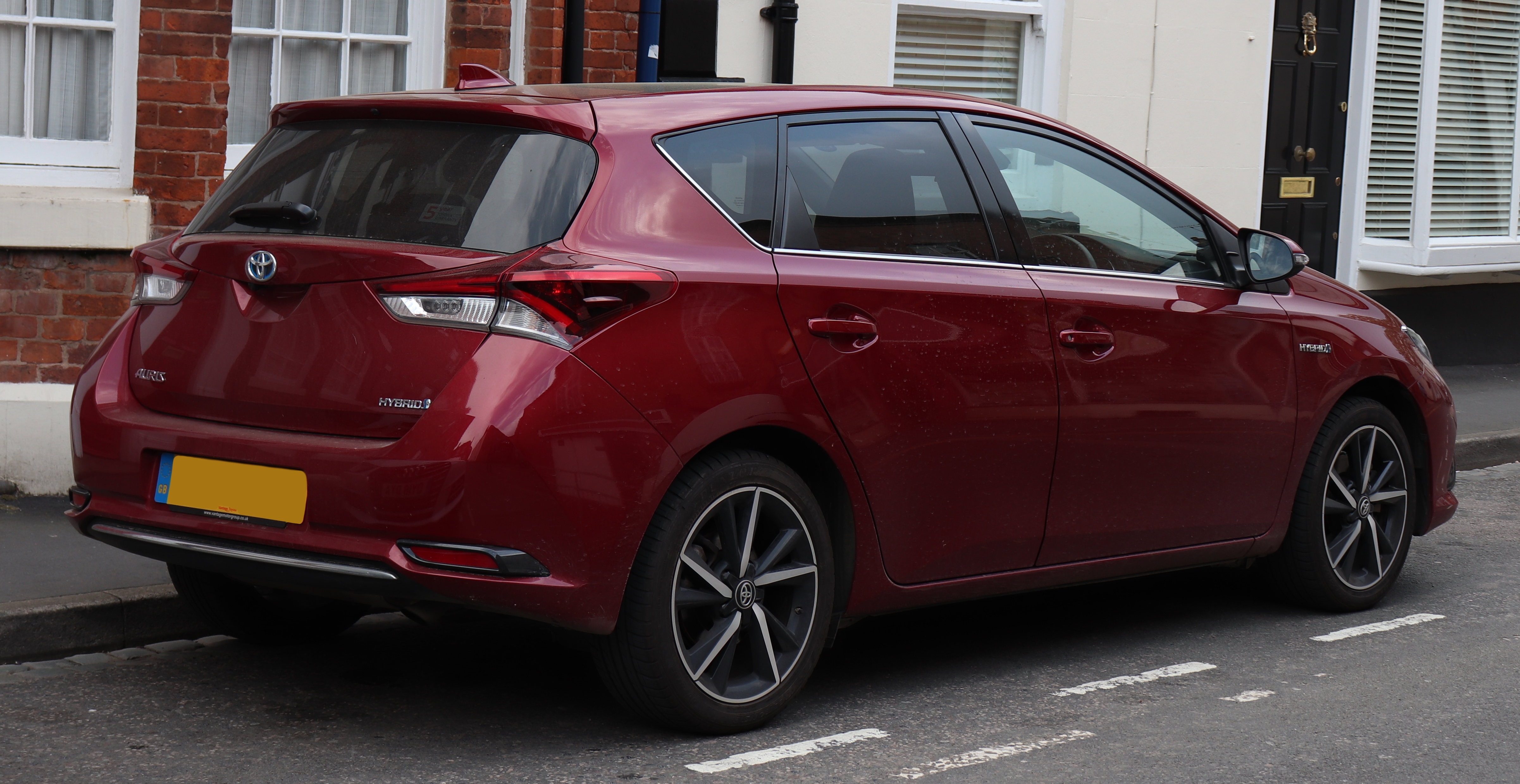
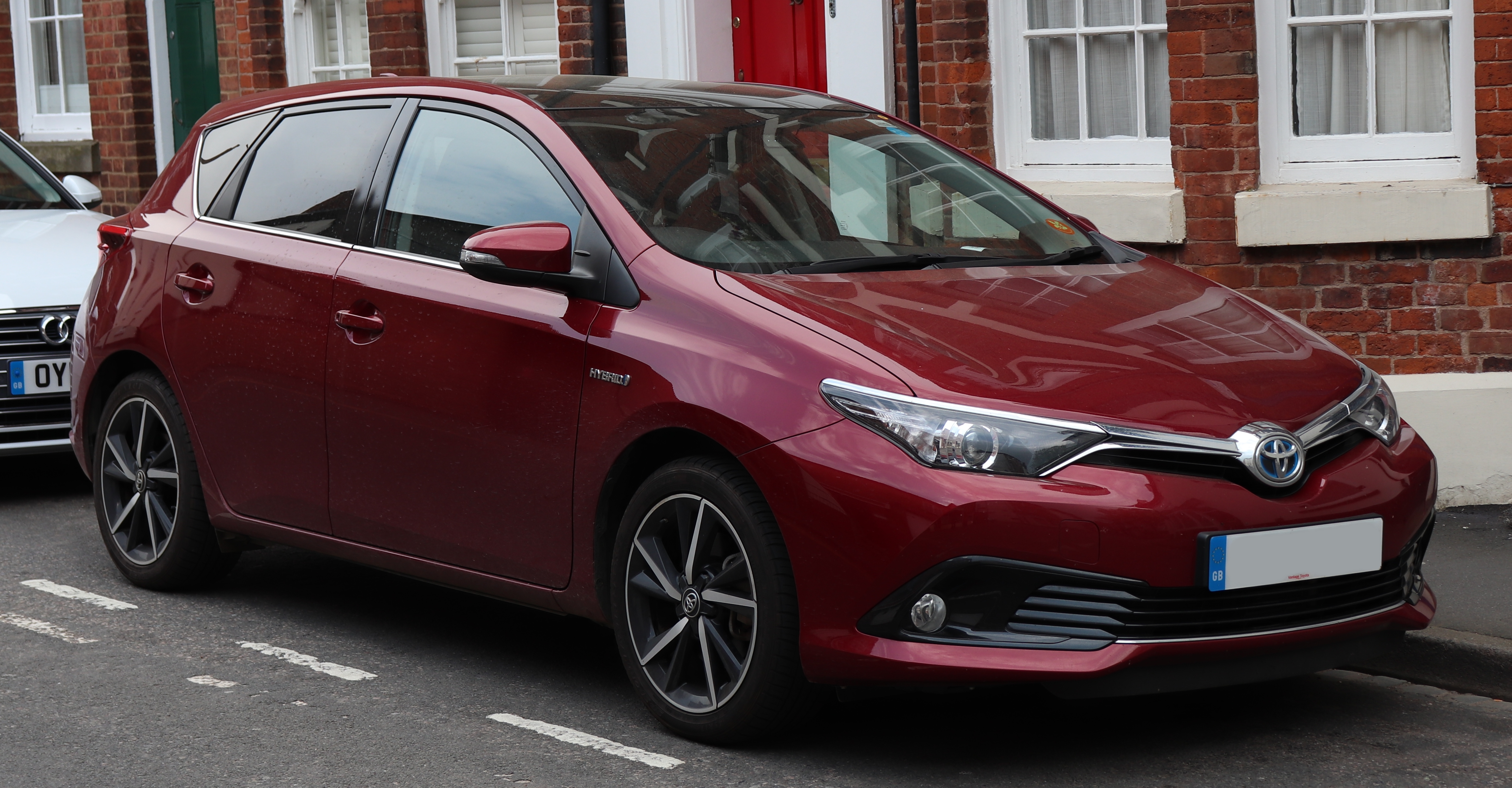
The Toyota Auris bridges older Toyota transmission designs and newer hybrid drivetrains, which is why the model can feel very different from one version to the next. Depending on year and engine, an Auris may use MMT, a conventional automatic, CVT or hybrid e-CVT.
If your Auris shudders at low speed, revs climb without matching acceleration or a hybrid warning appears, we identify the exact transmission before deciding whether the fault is clutch-related, hydraulic, internal or hybrid-system based.
Auris automatic and hybrid models commonly use MMT, conventional automatic layouts, Multidrive S CVT and Toyota hybrid e-CVT transaxles. Hybrid Auris variants need a different diagnostic path from belt-style CVT cars.
| Auris type / generation | Common automatic transmission | What to watch for |
|---|---|---|
| Earlier Auris automatic | Conventional torque-converter auto | Delayed engagement, harsh shifts, wear-related issues |
| Auris with MMT | MMT automated manual | Clutch shudder, actuator faults, poor take-up |
| Auris CVT | Multidrive S CVT | Whine, rev flare, sluggish response |
| Auris Hybrid | Hybrid e-CVT transaxle | Reduced drive, warnings, drivetrain noise |
Where fitted, older hydraulic automatics are diagnosed through fluid condition, valve-body performance, torque-converter operation and internal clutch wear.
MMT-equipped Auris models often show low-speed jerkiness, hesitant take-up or clutch-related warnings when actuator or clutch wear develops.
On CVT Auris versions, whining, flare and poor response are approached through ratio-control, pressure and internal wear testing.
Hybrid Auris uses Toyota’s e-CVT transaxle, so warnings, reduced power and unusual drivetrain behaviour need a hybrid-aware approach.
Auris owners often search for gearbox jerking, slow take-up, whining or hybrid drivetrain warnings. Those are all valid symptoms, but the likely causes vary sharply between MMT, CVT and e-CVT systems.
Jerky slow-speed movement can point to MMT clutch and actuator behaviour rather than full gearbox failure.
Auris CVT cars may feel as if they are slipping when ratio-control or internal wear is developing.
Whine or hum can originate from the transmission, final drive or wheel-end components and has to be traced carefully.
Hybrid e-CVT warnings may involve the wider drivetrain, not just the transaxle on its own.
Delayed gear engagement can reflect hydraulic issues, control faults or actuator delay depending on transmission family.
Continuing to drive with clear gearbox symptoms can increase the eventual repair cost.
Tell us exactly when the Auris fault happens and how it feels. The driving condition helps separate transmission, hybrid and driveline causes.
| What the Auris does | What it may indicate | Why it matters |
|---|---|---|
| Shudders when starting off | MMT clutch or actuator issue | Common low-speed drivability symptom |
| Revs rise without clean acceleration | CVT or drivetrain slip behaviour | Should be checked before heat damage worsens |
| Hums or whines at speed | Bearing / transmission noise | Needs separating from wheel-bearing noise |
| Shows hybrid warning | e-CVT or hybrid system concern | Requires hybrid-aware diagnostics |
| Takes time to engage | Hydraulic or actuator delay | Often an early transmission sign |
Fault codes matter most when they are read in the context of the exact transmission fitted to the vehicle. Toyota automatic, CVT and hybrid drivetrains can all generate very different code patterns.
| Typical code / code family | Likely area | What it can mean |
|---|---|---|
| P0700 | General transmission control | A more detailed drivetrain fault is stored |
| P0900–P0909 | Clutch / actuator control | Often relevant on MMT models |
| P17xx range | CVT / control logic | Pressure, ratio or control issue may be present |
| Hybrid / inverter warnings | e-CVT / hybrid system | Power-split or hybrid interaction issue |
| Live data findings | Model-specific analysis | Used to confirm the real fault path |
DQ200, DQ250, DQ381 and GTE hybrid DSG systems use different clutches, hydraulics and repair procedures.
Prices vary by transmission family, internal condition and whether the fault is a targeted control repair or a more extensive gearbox reconditioning job.
| Repair type | Guide price | Notes |
|---|---|---|
| MMT actuator / clutch-related repair | Approx. £700 - £1,400+ | Depends on clutch, actuator and set-up work |
| CVT hydraulic / control repair | Approx. £800 - £1,700+ | Depends on pressure and internal condition |
| Hybrid e-CVT diagnosis / targeted repair | Approx. £900 - £1,900+ | Hybrid-related pricing varies by fault path |
| Full conventional automatic / CVT reconditioning | Approx. £2k - £4.2k+ | Depends on gearbox type and internal damage |
We first identify whether the Auris uses MMT, conventional auto, CVT or hybrid e-CVT.
Toyota-compatible diagnostics are then used to read actuator, pressure, ratio and hybrid data as required.
The vehicle is driven in the condition that produces the fault, whether that is low-speed take-up, warm running or cruising.
We then quote the repair or reconditioning work supported by the results.
For a Toyota Auris transmission fault, the best results come from identifying the exact gearbox type first and then following the correct diagnostic path for that system.
Service4Service South-East provides Toyota Auris automatic gearbox diagnosis, repair and reconditioning across the South East, including conventional automatic, CVT and hybrid e-CVT work where relevant.
Bespoke collection and delivery can be discussed for suitable vehicles, with regional service links connecting this model guide to established South-East gearbox coverage.
More Toyota gearbox guides:
For broader Toyota transmission information, see our Toyota gearbox repair page for the South East.
On many Auris models that points towards MMT clutch or actuator behaviour, although other automatic versions may need a different diagnostic route.
Yes. Depending on the fault, repair may involve control, hydraulic or internal transmission work rather than automatic replacement.
No. Hybrid Auris models use Toyota’s e-CVT transaxle, which is different in operation and repair approach.
Transmission bearings, final-drive components and surrounding running gear can all create a similar noise, so the source needs to be traced carefully.
The page pricing table gives guide ranges, but the exact cost depends on whether the vehicle has MMT, CVT, e-CVT or a conventional automatic.
No. Even if the car still drives, it is better to diagnose the warning early before a controllable issue becomes a more expensive repair.
For a Toyota Auris transmission fault, the best results come from identifying the exact gearbox type first and then following the correct diagnostic path for that system.